
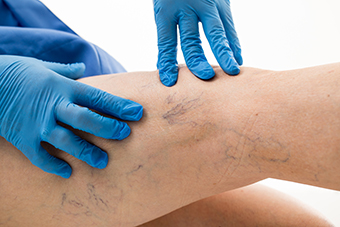
This blog post provides a comprehensive overview of modern varicose vein treatments, emphasising the balance between procedure efficacy and patient safety. It highlights how minimally invasive techniques can improve vascular health with minimal disruption to daily life.
Here is what you will learn:
- Common minimally invasive varicose vein treatment options.
- Safety profiles and potential clinical side effects.
- Practical recovery steps for optimal healing.
- The importance of specialist-led vascular care.
Varicose veins are a common condition that can affect both comfort and appearance, leading many people to consider treatment. Today’s varicose vein treatments are well-established, clinically guided procedures that support healthy circulation and help restore more efficient vein function.
PE Vein is dedicated to providing clear, evidence-based guidance and personalised treatment planning. Learning about procedure safety and recovery helps patients make informed and confident healthcare decisions.
Understanding Varicose Vein Treatment Options
Varicose vein treatment includes a range of minimally invasive procedures designed to close or remove damaged veins and improve blood flow. Common options include VNUS (endovenous thermal ablation), foam and micro-sclerotherapy, ambulatory phlebectomy and Cryo-Laser and Cryo-Sclerotherapy (CLaCS).
While each technique works slightly differently, they all aim to improve circulation, reduce symptoms and enhance both comfort and appearance. These modern procedures are typically performed in a clinical setting and are designed to minimise downtime while delivering effective, long-term results.
Is Varicose Vein Treatment Safe? Risks and Considerations
Modern varicose vein treatment is generally considered safe with a low risk of complications when performed by trained specialists using appropriate imaging and clinical protocols. However, as with any medical procedure, there are potential vein treatment side effects to be aware of, such as:
- Mild bruising or skin discolouration is common and usually temporary.
- Some patients may experience minor swelling, tenderness or tightness after treatment.
- In rare cases, small clots can extend into deeper veins, which requires monitoring and follow-up care.
- Temporary nerve sensitivity or tingling may occur depending on the treated area.
- Skin changes are uncommon and typically resolve with appropriate aftercare.
Serious complications are uncommon and risk is significantly reduced through careful assessment by qualified professionals and modern ultrasound treatment techniques.
Recovery After Vein Treatment
Recovery after vein treatment is typically simple, with most patients able to return to their usual daily activities shortly after the procedure. Healing continues gradually as the body responds to treatment and circulation improves.
Once the clinical portion of your journey is complete, you can focus on supporting your body’s natural healing process. Patients are usually advised to walk regularly, wear compression garments, avoid long periods of sitting or standing and attend scheduled follow-up visits. Most patients notice steady improvements in both symptoms and appearance over the weeks that follow.
Take the Next Step with Specialist Vein Care
Varicose vein treatment is safe, effective and minimally invasive when performed under specialist care. While mild side effects can occur, most are temporary and well-managed with proper aftercare.
Varicose vein treatment is safe, effective and minimally invasive when performed under specialist care. Speak to PE Vein today to book your consultation and take the next step towards improved comfort and circulation.
FAQS
What are the primary types of minimally invasive vein treatments available?
Options include VNUS (thermal ablation), foam and micro-sclerotherapy, ambulatory phlebectomy, and CLaCS (Cryo-Laser and Cryo-Sclerotherapy).
What common side effects should patients expect after a procedure?
Patients may experience temporary mild bruising, skin discoloration, minor swelling, tenderness, or brief nerve sensitivity in the treated area.
What activities support the body’s natural healing process during recovery?
Effective recovery involves walking regularly, wearing compression garments, avoiding prolonged sitting or standing, and attending all scheduled follow-up appointments.
Recent Comments