
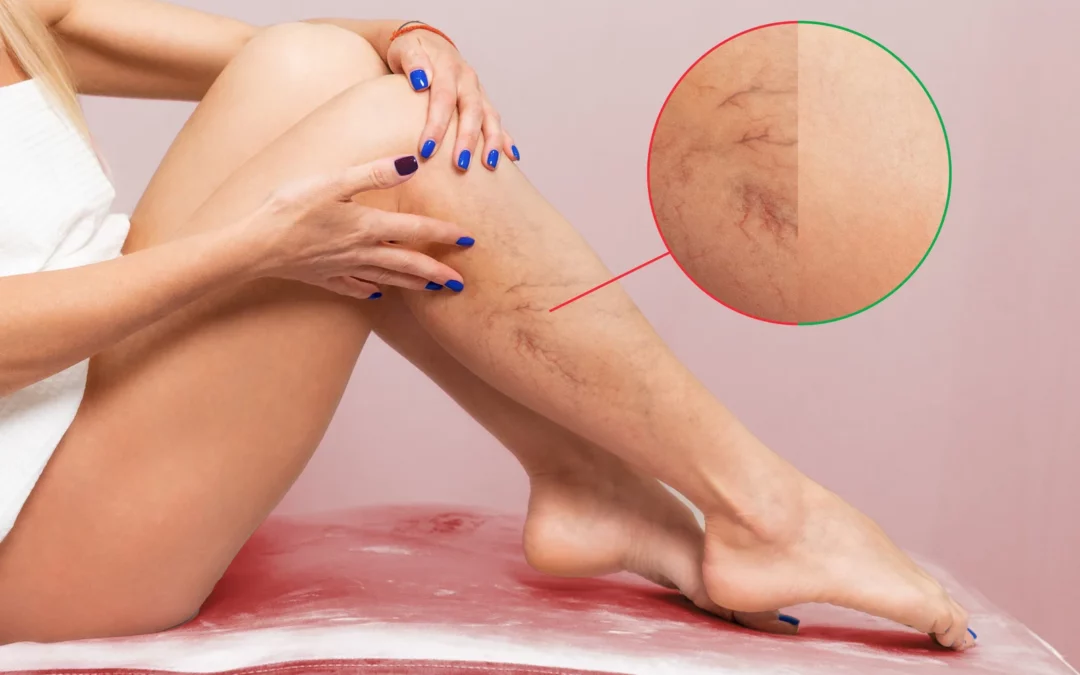
This blog post explains how laser vein removal may help improve the appearance of spider veins and relieve associated discomfort. It outlines how targeted laser energy closes affected veins with minimal downtime, what to expect during recovery and why a personalised specialist assessment helps determine the most appropriate treatment plan.
Spider veins are incredibly common, with most adults developing them on their legs at some point in their lives. While they are often a cosmetic concern, some people also experience discomfort, prompting them to explore treatment options.
If you’re considering treatment for spider veins on legs, laser vein removal may be a suitable treatment option. PE Vein explains how the treatment works and what you can expect.
What Causes Broken Veins on Legs?
Spider veins can develop for a variety of reasons and are often linked to weakened or damaged vein walls. Common risk factors include genetics, ageing, hormonal changes, pregnancy, prolonged standing or sitting, obesity and sun exposure. Although anyone can develop spider veins, they’re more likely to appear as we get older or if they run in the family.
While spider veins don’t always require treatment, they can become more noticeable over time. If they’re causing discomfort or affecting your confidence, it’s worth speaking to a vein specialist about your options.
How Does Laser Treatment for Leg Veins Work?
Laser treatment for leg veins may involve a combination of laser therapy and sclerotherapy, depending on the size and location of the affected veins. Your specialist will personalise your treatment plan based on your condition, which may include the following:
- Assessing the affected veins and determining the most appropriate treatment approach
- Heating the targeted vein with focused laser energy
- Closing the vein using laser therapy, with sclerotherapy where appropriate
- Allowing the body to naturally absorb the treated vein over time
Most procedures are performed on an outpatient basis with little to no downtime. This makes them ideal for people who want to return to their normal activities as soon as possible.
What Can You Expect After Leg Vein Removal?
After your vein procedure, it’s normal to experience mild redness, swelling or tenderness around the treated area. These side effects are usually temporary and resolve within a few days, allowing most people to return to their daily lives soon after treatment.
The treated veins won’t disappear immediately. Instead, they gradually fade as the body naturally absorbs them over the following weeks or months. Your specialist may also recommend wearing compression stockings and staying active with gentle walking to support healing and promote healthy circulation.
Choosing the Right Treatment for Spider Veins on Legs
Not all spider veins require the same approach, which is why an expert assessment is the first step towards choosing the most effective treatment for spider veins on legs. Understanding the cause, size and location of your veins helps ensure you receive the care that’s right for you.
At PE Vein, we combine advanced technology with experienced clinical care to provide personalised treatment for spider veins on legs. Contact us today to book your consultation and find out whether laser vein removal is the right treatment option for you.
FAQS
What is causing the spider veins on my legs to develop?
Spider veins commonly develop because of genetics, ageing, hormonal changes, pregnancy, prolonged sitting or standing, obesity or sun exposure.
What will I experience during a laser vein removal procedure?
Your specialist will first assess your veins and recommend the most appropriate treatment. During laser treatment, focused laser energy is applied to the targeted veins, allowing your body to gradually absorb them over time. In some cases, sclerotherapy may also be recommended.
How soon will I see results and notice my veins disappearing after treatment?
You won’t see them vanish immediately; instead, you will notice the treated veins gradually fading over the following weeks or months as your body naturally absorbs them.
Recent Comments