
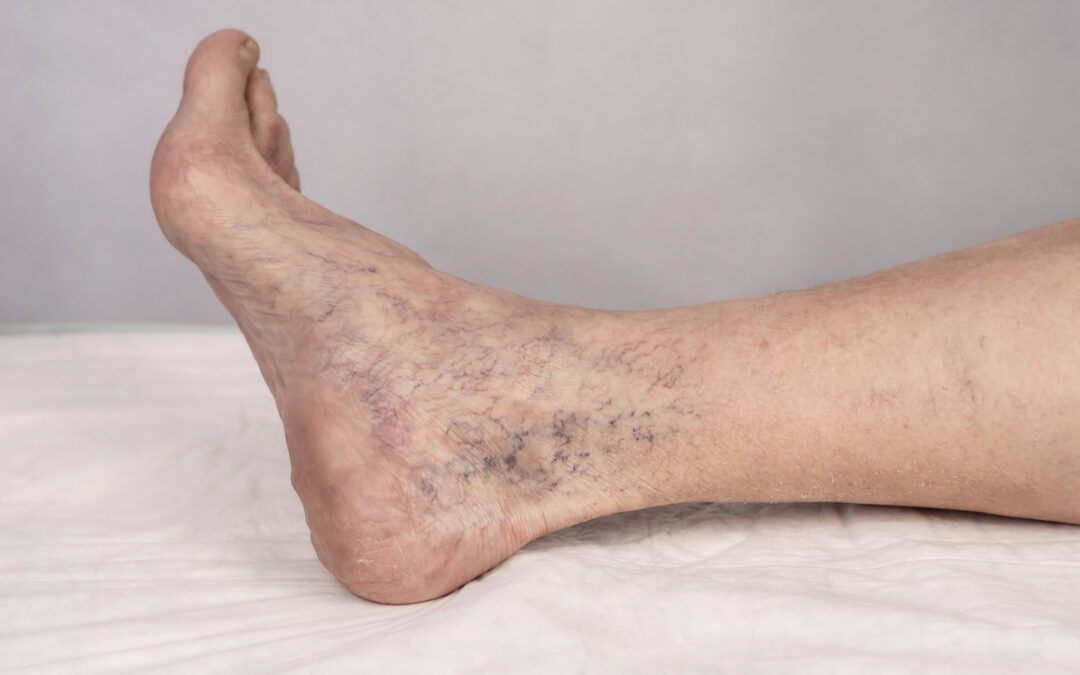
Considering vein therapy in Gqeberha but not sure whether sclerotherapy or foam treatment is right for you? PE Vein explores the pros and cons of these minimally invasive options, including potential side effects, treatment benefits, suitability and what you may be able to expect from treatment. Learn whether you’re a good candidate before deciding on your care.
Everyone seems to have an opinion about what treatment worked for them. But when considering vein therapy in Gqeberha, doing your own research can help you separate personal experiences from the information you need to make an informed decision about your care.
Sclerotherapy and foam sclerotherapy are established treatment options, but like any medical procedure, they come with both benefits and potential drawbacks. PE Vein aims to help you expand your understanding of your options so you can make a more informed decision about your care.
What Are the Potential Drawbacks of Sclerotherapy?
During sclerotherapy, a solution is injected into the targeted vein, causing it to close. The treated vein is then gradually broken down by the body over time. It can be an effective option for suitable veins, although some temporary effects may occur, such as bruising, swelling, redness or tenderness around the treatment area. These usually settle as the area heals.
The number, size and type of veins being treated can influence how many sessions you may need. New veins can also develop over time due to factors such as ageing and genetics. Sclerotherapy is not suitable for every vein or every patient, so it’s essential that a professional assesses your vein type, medical history and individual circumstances first.
What Are the Benefits of Sclerotherapy?
When sclerotherapy vein treatment is suitable for your veins and performed by an appropriately qualified healthcare professional, it is a minimally invasive treatment option for certain types of veins. You can also explore the benefits of sclerotherapy for spider and varicose veins in more detail. Benefits you may experience include:
- Minimally invasive treatment: Sclerotherapy treats targeted veins without surgical incisions or vein removal through an operation.
- Less downtime: Sclerotherapy is generally performed as an outpatient treatment, allowing many patients to return to their usual activities relatively soon afterwards.
- Targeted vein treatment: Treatment can focus on individual veins based on factors such as their size, location and appearance.
- More treatment options: Foam sclerotherapy offers another approach to target different vein types, including larger veins.
- May address more than appearance: Sclerotherapy may reduce the appearance of visible veins and may also help relieve associated symptoms such as aching, heaviness and swelling in suitable patients.
Is Sclerotherapy or Foam Treatment Right for Me?
Before undergoing sclerotherapy or foam sclerotherapy treatment, your specialist will assess your veins to determine whether it’s an appropriate option for you. You may be a suitable candidate if you:
- Want to improve the appearance of visible veins
- Experience discomfort in the affected areas
- Have veins that are suitable for sclerotherapy or foam treatment
- Are comfortable with the recommended treatment and aftercare
Find the Right Vein Treatment for You
Understanding the pros and cons of foam sclerotherapy for varicose veins is an important part of deciding whether it’s right for you. A thorough assessment can help you understand your vein condition, compare suitable treatment options and approach your treatment with realistic expectations.
At PE Vein, you’ll receive an individual assessment and treatment plan based on your specific vein concerns. Contact PE Vein to discuss your options for vein therapy in Gqeberha and take a proactive approach to your vein health.
FAQs
Is sclerotherapy a safe treatment for varicose veins?
Sclerotherapy is an established treatment used for suitable veins, but like any medical procedure, it carries potential risks and side effects. Your healthcare professional will assess your veins, symptoms and medical history to determine whether it is appropriate for you.
What is the difference between sclerotherapy and foam sclerotherapy?
Both treatments use a sclerosing solution to close targeted veins, but foam sclerotherapy uses the solution in foam form. Foam sclerotherapy may be used for certain larger veins and other vein types, depending on the individual assessment. Your specialist can determine which approach is more appropriate for you.
How many sclerotherapy treatments will I need?
The number of sessions varies depending on the number, size and type of veins being treated. Some people may require one treatment session, while others may require additional treatment depending on the veins being treated and their response to treatment. Your specialist can provide a more personalised recommendation following an assessment.
Recent Comments