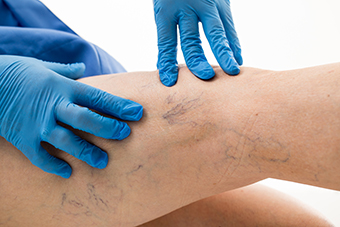
Raised veins can do more than make you concerned about how your legs look. They may also signal an underlying circulation problem that needs targeted care. PE Vein explains how non-surgical vein treatment, vein sclerotherapy, CLaCS and VNUS radiofrequency treatment address different vessels. Discover why a personalised vein assessment is essential when choosing a minimally invasive vein treatment to address symptoms and visible veins.
Seeing raised veins does not automatically mean you need an operation. Modern care can close troublesome vessels through small injections, a fine catheter or precisely directed energy. At PE Vein, we select non-surgical vein treatment based on what is happening beneath the surface, not appearance alone.
Why the Visible Vein Is Only Part of the Picture
Varicose veins develop when ineffective valves allow blood to flow backwards and collect. The vein you notice may connect to a larger faulty vessel, so treating only the visible section could leave the source untouched.
We begin by reviewing your symptoms, medical history and vein pattern. When clinically appropriate, a duplex ultrasound assessment can identify venous reflux, trace its source and help guide treatment planning.
Which Treatment Matches Which Vein?
There is no single procedure for every patient. Your findings may point towards one or a combination of the following:
- Foam Sclerotherapy can treat selected varicose veins. The injected foam acts on the vessel wall, causing the treated vein to close over time.
- Micro-Sclerotherapy targets fine surface vessels. This form of sclerotherapy for spider veins may suit patients seeking precise, non-surgical spider vein treatment.
- CLaCS combines laser energy, sclerotherapy and cooling technology to target suitable spider veins and small varicose veins.
- VNUS Radiofrequency Treatment uses a slender catheter to seal a larger faulty vein from within.
Depending on the treatment used, the targeted vein is closed or reduced, allowing blood to reroute through healthier veins. Your body then gradually absorbs the treated vein, with improvement developing over time. Based on your clinical needs, the benefits of sclerotherapy for spider and varicose veins may include symptom relief and an improvement in the appearance of treated veins.
What Makes Treatment Minimally Invasive?
A minimally invasive vein treatment avoids traditional surgical stripping and large incisions. Many procedures take place in a clinical treatment room and often allow patients to return to routine activities relatively quickly. However, non-surgical does not mean risk-free or suitable for everyone.
You may experience temporary bruising, tenderness, swelling or discolouration. We may recommend compression stockings, regular walking and follow-up care to support your recovery after vein treatment.
The most effective route is not choosing a popular procedure. It is identifying the faulty vein and selecting care around your clinical needs.
Take the uncertainty out of your next step. Book an assessment with PE Vein and let us build a non-surgical vein treatment plan around your circulation, symptoms and goals.
FAQs
Can varicose veins be treated without surgery?
Yes. Non-surgical vein treatment can close selected varicose veins through foam sclerotherapy or VNUS radiofrequency treatment. The appropriate option depends on the size, location and source of the affected vein.
How does vein sclerotherapy treat problem veins?
Vein sclerotherapy introduces a specialised solution into the affected vessel, prompting it to close. Blood is redirected through healthy veins while the body gradually absorbs the treated vessel. Some patients may require more than one session.
Which non-surgical spider vein treatment is suitable for me?
Micro-Sclerotherapy or CLaCS may treat suitable spider veins, but the correct approach depends on your vein pattern and clinical findings. An assessment helps determine whether sclerotherapy for spider veins, laser technology or a combined treatment will address your needs.
Recent Comments